

The Resilience Hour Is Real. Who's Protecting Yours?
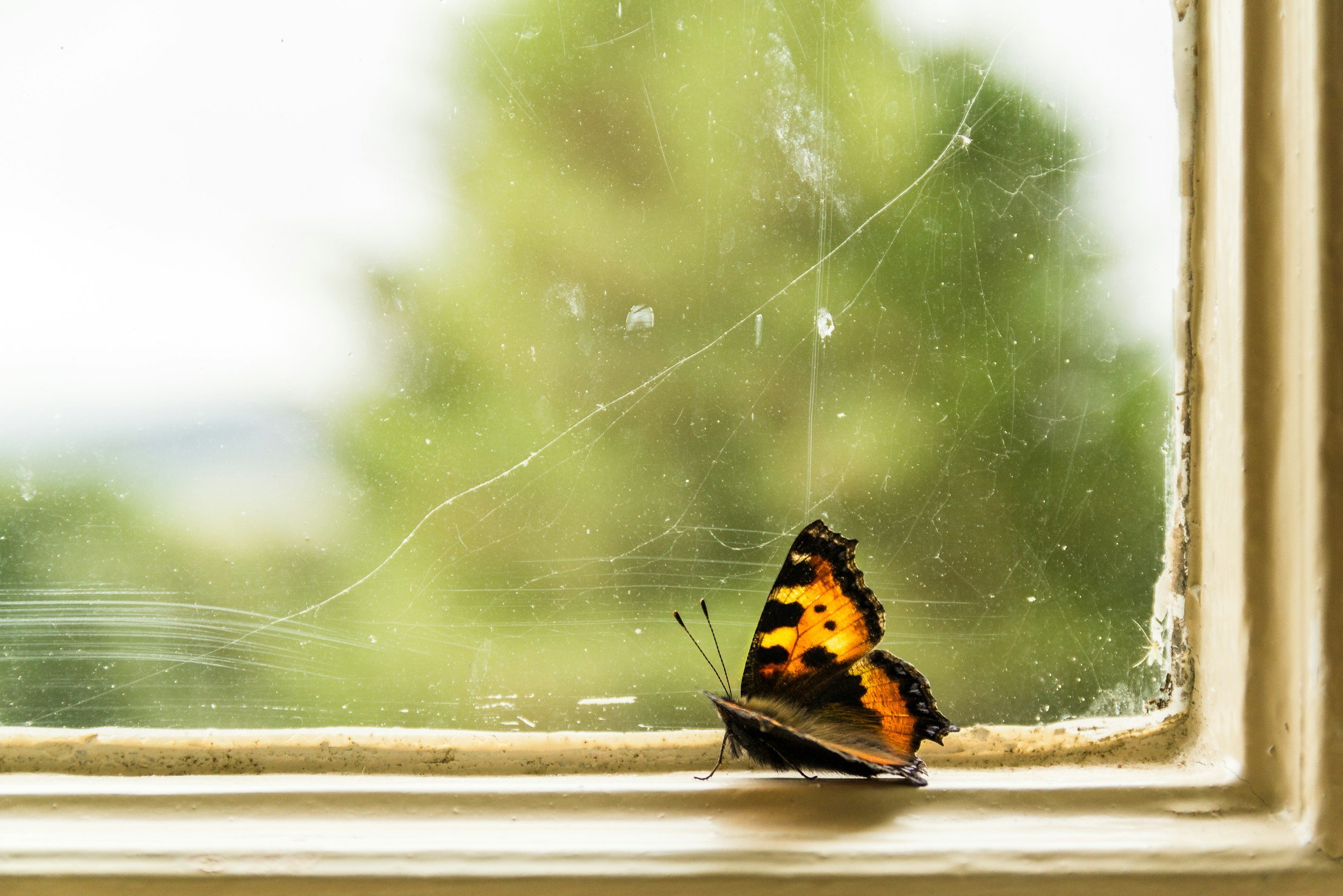
Photo by Andreas Haslinger on Upsplash
Remember Tetris? Research shows that playing it after an accident can interrupt how the brain catalogs traumatic images, making it a surprisingly effective post-traumatic stress tool. The geometric puzzle essentially scrambles the filing system before intrusive memories can take root.
Human resilience, our ability to adapt after a stressful event, is a bit of a shape shifter too.
Dr. Noriya Watanabe, whose research at Kochi University of Technology helped identify what scientists are now calling the "resilience window," put it plainly: human resilience is more complex than animal models can capture. "It involves self-efficacy and past experience," he noted — "things you can't ask a mouse in an interview."
His team's findings, published in Nature Mental Health this year, reveal that our brain needs about 60 minutes after a stressor ends to shift from threat-detection mode into genuine recovery. That's when the salience network — your internal alarm system — finally quiets, and the default mode network takes over: self-reflection, memory consolidation, emotional processing. The hour when your brain makes sense of what just happened and files it away in a healthy way.
The people who couldn't access that window showed measurably weaker recovery. Not because they were less resilient. Because the window never opened.
I've been sitting across from leaders for whom that window never opens.
Not because they're doing it wrong. Because the systems they're navigating are architecturally designed to prevent it. The bureaucrat who requires another form. The administrator that mistakes their policing behaviors for best practices, creating more barriers to circumvent. The volunteer advocate who has to speak truth to power — again and again — before anything moves. The next demand arrives before the last one has been processed. The salience network never quiets. And the people most exposed to that cycle are the ones who care most, because they keep showing up.
That's not burnout as personal failure. That's a structural problem wearing a personal face.
My work, in communications, strategy, and narrative development, is often about finding the story beneath the surface. Green Project Management sharpened that instinct further: when you're trained to assess social, environmental, and governance consequences at every phase of a project, before they become problems, you develop an acute awareness of what's actually at stake in every decision. Who is affected. How. What the silence is costing.
What The Pollinator Group offers, at its most essential, is the conditions for that window to exist. Strategic clarity so a leader isn't rebuilding context from scratch every time. Narrative support so their work can speak for itself. Someone who already sees the whole system — and can help them find their footing and their voice inside it.
That's not consulting. That's recovery infrastructure.
This thread goes deeper. This is part of a series on resilient communication — what it actually takes to build teams, bodies, and organizations that hold together under pressure.
If you're navigating this inside a workplace, the Accessible Communication Field Guide has language for that.
If you're doing this work inside a governing body, The Governing Bodies Field Guide and the Relational Conduct Proclamation Template were built for your room.