

Why This Land Acknowledgment Is Not Enough
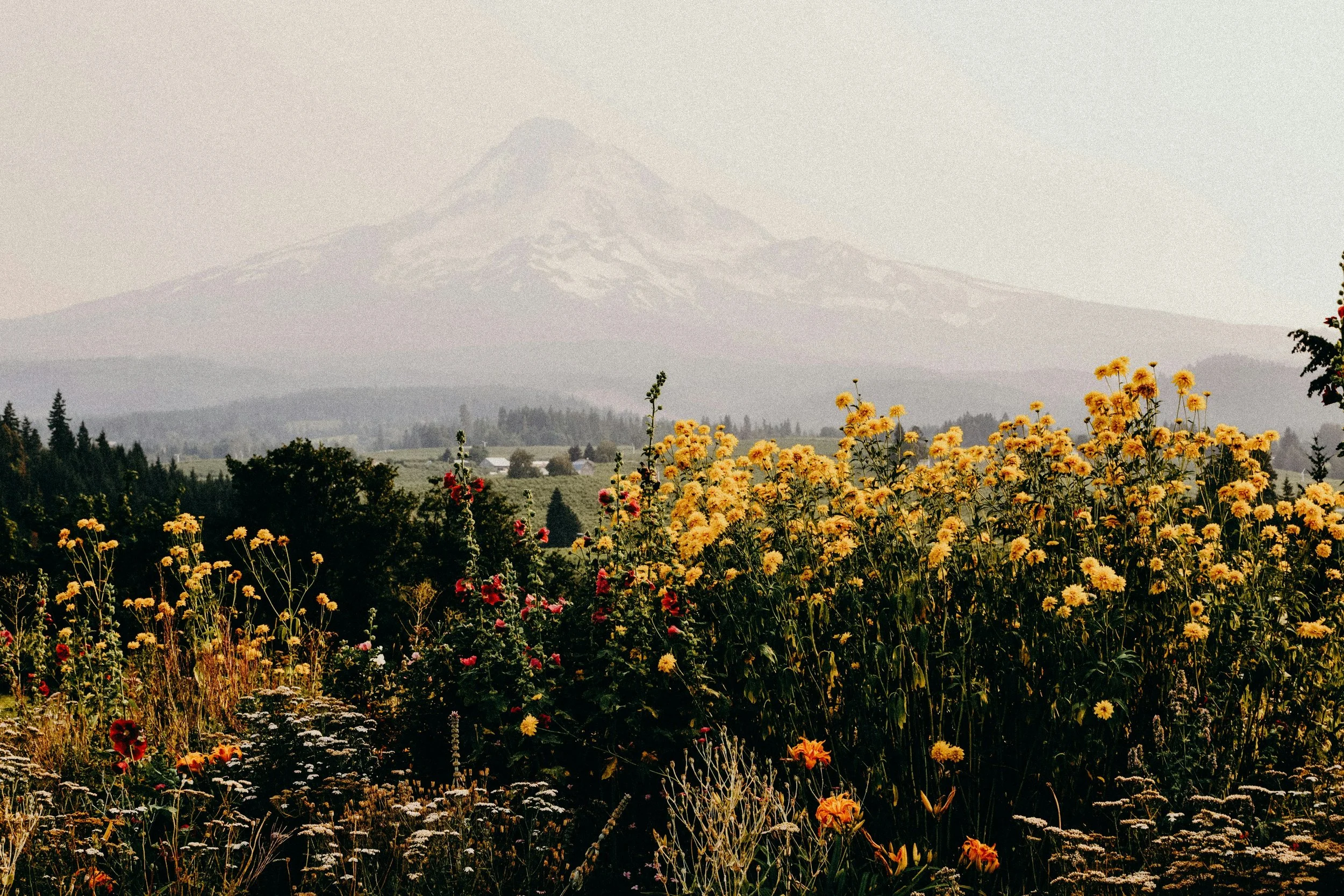
Photo by Liana Mikah on Unsplash
Editor’s Note: The Pollinator Group is rooted in a belief that how we move matters—through communities, through systems, through land. Before I could ask the action-leaders I work with to examine their impact, I needed to examine my own. This land acknowledgment is that examination. It's not finished. Neither am I.
This Land Acknowledgement Is Not Enough.
I acknowledge that I live, work, and move across the stolen territories of Indigenous peoples who have been stewards of these lands and waters since time immemorial—and who remain here, still fighting for recognition, sovereignty, and return of what was taken.
I do not have relationships with the Indigenous nations I name below. I benefit from their displacement. This acknowledgment does not absolve me of that truth—it implicates me in it.
As a child, I fished for crawfish with a stick and bacon in the Fanno Creek tributary and attended the city's annual Crawfish Festival—on the stolen lands of the Tualatin Kalapuya. I played softball and soccer on fields that were taken and repackaged for my recreational benefit while Indigenous peoples were forced onto reservations in Oregon and Washington. My childhood joys were made possible by their dispossession.
There is much to be reckoned with here.
I offer these words not as a credential, but as a starting point. A marker of where I am, not where I wish I were.
In the Tualatin Valley and Portland Metro Area (Oregon):
I honor the Tualatin Kalapuya (Atfalati), Multnomah, Clackamas, Kathlamet, Wasco, Cowlitz, Molalla, and other bands of the Chinook peoples who made their homes along the Columbia and Willamette Rivers. Their descendants are now part of the Confederated Tribes of Grand Ronde and the Confederated Tribes of Siletz Indians.
In Seattle:
I honor the Duwamish (dxʷdəwʔabš), the first people of Seattle—the city named for Chief Si'ahl—as well as the Suquamish, Muckleshoot, and Stillaguamish peoples of the Coast Salish.
In the Los Angeles Basin:
I honor the Tongva (Gabrieleño), the aboriginal people of Los Angeles whose traditional homelands have been home to their ancestors for more than 7,000 years, along with the Fernandeño Tataviam and Ventureño Chumash.
In San Francisco:
I honor the Ramaytush Ohlone, the original peoples of the San Francisco Peninsula, and the Yelamu people who were an independent tribe of the Ramaytush. The Ramaytush Ohlone have never ceded, lost, nor forgotten their responsibilities as caretakers of this place.
In Vancouver (Washington):
I honor the Chinook, Cowlitz, and Klickitat peoples whose ancestral lands lie along the Columbia River. This valley held the densest population of native peoples north of Mexico. The Chinook Indian Nation—descendants of the Lower Chinook, Clatsop, Willapa, Wahkiakum, and Cathlamet tribes—continues to fight for federal recognition, having refused removal from their homelands, insisting on "staying with the bones of our ancestors."
The Pollinators and the People
For millennia, Indigenous peoples and pollinators have been partners in a sacred relationship of reciprocity. Native bees, butterflies, hummingbirds, and other pollinators co-evolved with Indigenous land stewardship practices—cultural burning that restored prairies and meadows, diversified farming systems, rotational cropping, and traditional seed keeping that created abundant habitat. Indigenous peoples named their children after these beings. Chief Chaiprasert Phoka, Hin Lad Nai Village, in Thailand, teaches: "When the bees fly, they fly better together and look after each other and the interest of the whole community of bees. They live in harmony together and increase the biodiversity in the forest with their actions, like we do."
Colonization has harmed, and is still harming both. The same forces that displaced Indigenous peoples from their ancestral territories—extraction, industrial agriculture, urbanization, the severing of people from land—have driven pollinators into crisis. Habitat loss, pesticide use, and climate change now threaten the very beings upon which 90% of flowering plants depend.
The fates of Indigenous peoples and pollinators are intertwined. When we fight for land back, we fight for the return of traditional stewardship. When we restore pollinator habitat, we restore the conditions for Indigenous foodways. This is not coincidence—it is relationship.
My Commitment—Honest and Incomplete
This acknowledgement is not a badge. It is an admission.
I believe in a vision of justice where these lands are returned to the Indigenous peoples who are their true stewards—and where pollinators can once again thrive. But I am not a green activist. Not by a long shot.
Here is what I actually do:
I compost my food scraps in city-provided bins—the city of Los Angeles only started mandatory curbside composting in 2023
I recycle, which isn't enough; the US recycling and sanitation system is broken
I still drive a gasoline car, but I do 95% of my errands on foot
I take showers that are too long, but I rarely wash my car
There isn't a glass jar I won't cherish and reuse; my collection is vast
Here is where my energy goes:
Supporting Black and BIPOC women and femme community leaders and advocates for community healthcare
Making professional spaces more inclusive
Disrupting systems of oppression and harm—none of us are free until all of us are free
Championing Black food sovereignty: enslaved people contributed to North and South America's biodiversity, bringing their farming and agricultural knowledge when they were forced from their homes and enslaved. (Read Black Rice: The African Origins of Rice Cultivation in the Americas, by Judith Carney)
Learning how to be a better human
This is not enough. I know the lands were stolen. I can't pretend they weren't. I benefit from that theft every day.
What I can offer is honesty about the gap between my values and my actions—and an invitation for you, reading this, to sit in that discomfort with me.
An Invitation to Curiosity
I believe there are lessons in observing how nature moves. Pollinators don't extract—they participate. They don't take without giving. They increase abundance through relationship.
What would it mean for us to move like that? To pollinate ideas, care, and resources across communities? To increase the biodiversity of justice rather than deplete it?
I don't have all of the answers. But I'm curious. And I invite you to be curious too.
Through The Pollinator Group, I partner with action-leaders who want to weave this curiosity and responsibility into their work—understanding that true progress is intertwined with healing, and that our labor for a more just world must honor those who have always known how to live in reciprocity with the earth.
To learn more about the Indigenous peoples of these territories and how to support them:
Confederated Tribes of Grand Ronde: grandronde.org
Chinook Indian Nation: chinooknation.org (support their fight for federal recognition at chinookjustice.org)
Cowlitz Indian Tribe: cowlitz.org
Duwamish Tribal Services: duwamishtribe.org
Gabrielino/Tongva Nation: gabrielinotongva.org
Association of Ramaytush Ohlone: ramaytush.org
Learn more about Chief Chaiprasert Phoka's work with bees and Indigenous forest stewardship