

Pollinating Resilient Teams: A Guide to Repair, Connection, and Psychological Safety
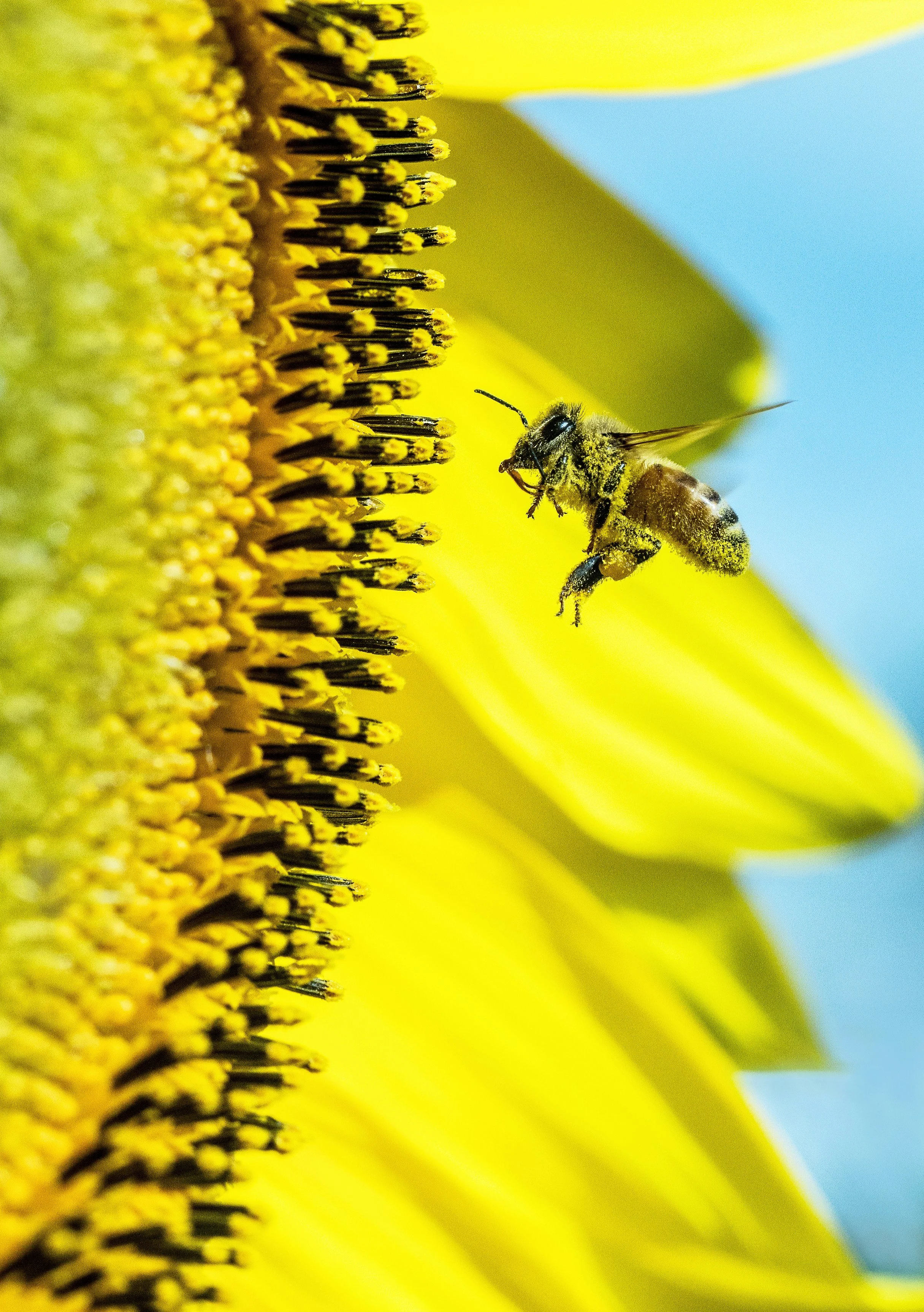
Photo Credits: David Clode on Unsplash
A single sunflower head holds over 1,000 seeds—sometimes 3,000 or more. They're arranged in a mathematical pattern based on Fibonacci numbers, allowing for efficient packing within the head.
HUMANS, LIKE PLANTS, DO WELL WHEN THEY CAN
Humans don't fit neatly in rows. We're messy, surprising, elusive. But with care and intention, we can grow more resilient and more tightly connected.
When you encounter someone resistant, angry, or hard to reach—pause. Not because they're "difficult," but because behavior is information.
Ask yourself:
What resources might they need?
What barriers exist between them and support?
How has asking for help worked out for them before?
Have I considered context, culture, and connection?
THE CYCLE OF REPAIR
Acknowledge→ friction or rupture has occurred, name your role
Apologize→ for harm caused (impact matters more than intent)
Repair→ give grace, receive grace
Restart→ move forward with deeper understanding, new perspectives, clearer communication
“Apologies are really effective and they don’t cost very much.”
Ruptures Are Natural
Are they uncomfortable? Yes.
Are they preventable? Sometimes.
Can you avoid them? Nope.
What matters is how we repair. Resist the urge to avoid. Create space for dialogue, apologize for harm, ask for forgiveness, try a restart. This is how teams become resilient.
“Do your colleagues and employees feel safe raising or discussing issues at your organization?”
PSYCHOLOGICAL SAFETY & NEUROBIOLOGY
Our brains are beautifully crafted with protective mechanisms. When overwhelmed, they fight, flee, freeze, or fawn. This isn't weakness—it's survival.
Behavior is communication. When the nervous system perceives danger, confusion, or threat, behavior reflects that. When it senses safety, behavior becomes calm and regulated.
Understanding this changes everything.
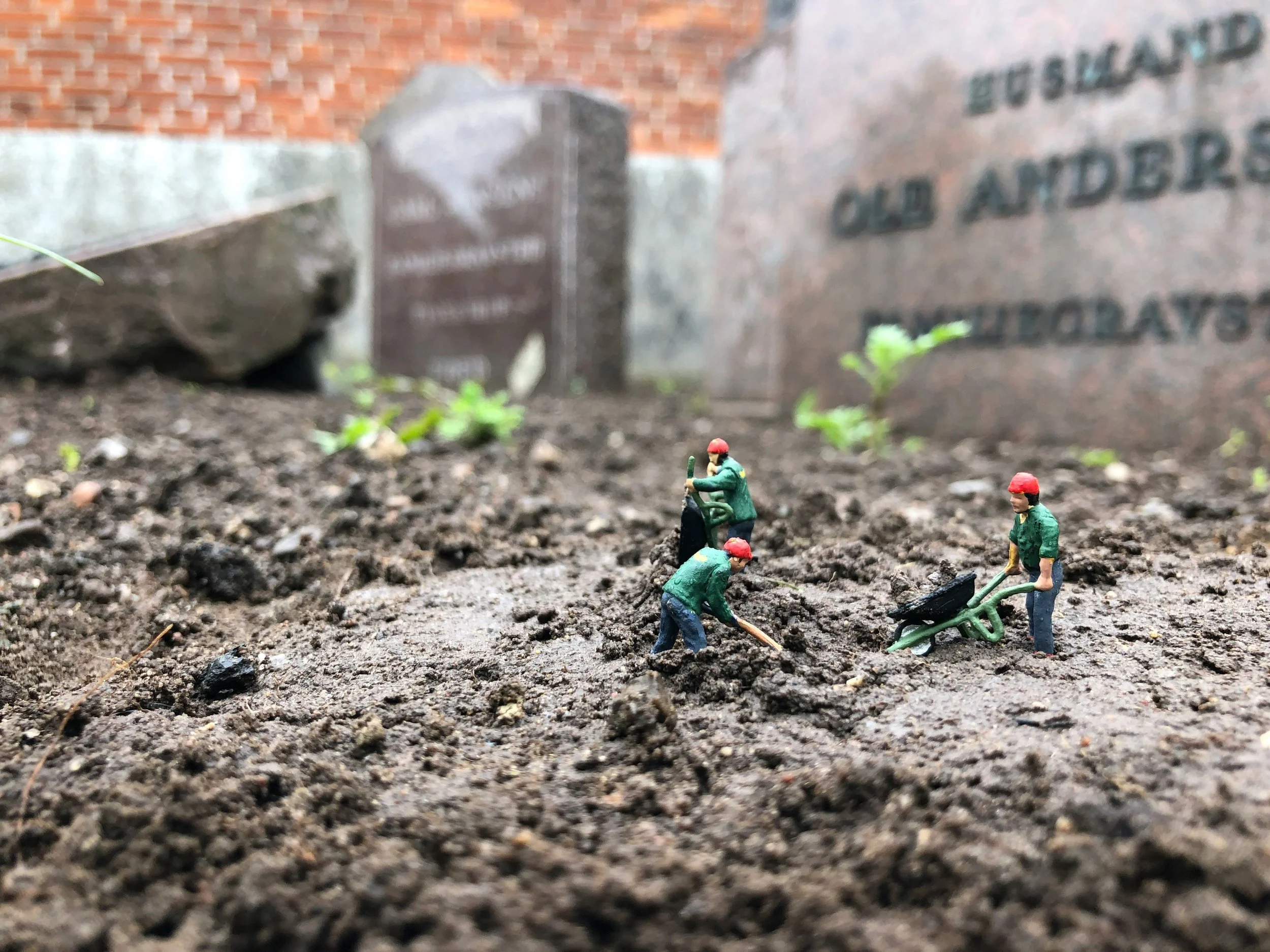
Photo: Claus Jensen on Unsplash
What Gets Watered, Grows
This applies to connection—and to harm.
When dysregulated behavior goes unchecked, it spreads, it bullies, it harms. Disrupted meetings become the norm. Hijacked Slack threads drain focus. One person's unaddressed patterns create a demoralizing ripple—a butterfly effect in reverse.
Tend what you want to see bloom. Name what needs composting.
And here’s the thing: When you’re participating in collaborative work—cross-functional teams, community organizing, advocacy, volunteering, nonprofit boards—you have to be prepared to repair relationships. These spaces are relational by design. If you’re not prepared to resolve conflicts, you have more work to do. And that’s okay. Just come back when you’re ready to make collaborative work work.
SHOW UP AS A WHOLE PERSON
Be vulnerable. Be approachable. Be fully human—not stiff and "professional."
The first signals connection.
The latter signals, "I know better than you."
Tend the ecosystem. Center collective health, not individual power.
“The best way to prevent errors is to make them discussable.”
DYSREGULATED BEHAVIOR ≠ BAD PERSON
Separate behavior from relationship.
Behaviors may have natural consequences, but relationships should be:
Stable
Consistent
Accountable
Have clear boundaries
Repairable
CONNECTION BUILDS UP RESILIENCE
Resilience mitigates stress and reduces the effects of trauma. Personal and professional relationships shape lifelong health.
Tools for resilience can be taught and modeled within teams—to heal organizational trauma and help each other heal.
What we nourish, flourishes.
We need to be resilient to maintain the resistance.
RESIST. ICE OUT.
EXTRA RESOURCES
🕊Need an Apology Tune-Up?
Adam Grant's WorkLife podcast episode "The Secrets of a Great Apology" has everything you need to improve your technique. His guest, organizational psychologist Beth Polin, points out:
"Apologies are really effective and they don't cost very much. [They] signal that the apologizer realizes there's this social requirement after a trust violation, that some statement needs to be offered, and it's an opportunity for the apologizer to show some emotion and show effort towards repairing the relationship so that we can move forward together in the workplace."
As Amy Edmondson noted in Grant's episode "Is it Safe to Speak Up at Work?": "The best way to prevent errors is to make them discussable."
Recommended Listening & Reading:
Podcasts:
WorkLife with Adam Grant "The secrets of a great apology" (Transcript)
May 2025WorkLife with Adam Grant "Is it safe to speak up at work?" (Transcript)
July 2021Reading:
Core evergreen principles in this post were inspired by Dr. Amy’s Top 10 Guiding Principles for Working With Children and Families, adapted here for team workplace dynamics. Dr. Amy King, PhD is a licensed psychologist in Portland, OR
Thin Book of Trust: Third Edition: An Essential Primer for Building Trust at Work by Charles Feltman
Turn The Ship Around by David Marquet. He writes about empowered teams and psychological safety
"Despite Their Best Intentions, Managers Tend to Shut People Down" by James R. Detert and Ethan Burris — Harvard Business Review